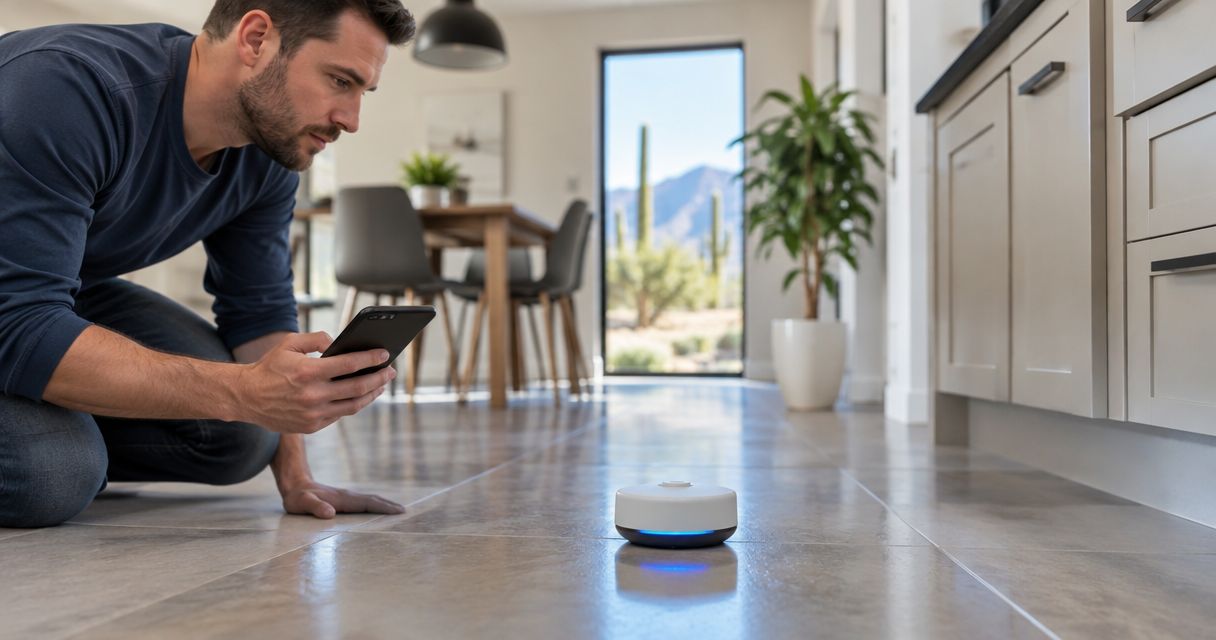
Instead of checking your water meter every day, use an automatic slab leak detection system to monitor unusual supply-water flow and, with a compatible shutoff valve, stop the water when a leak condition triggers. This workflow helps limit damage in your Tucson home, but it does not pinpoint a buried leak or guarantee detection before flooding.
- An automatic slab leak detection system monitors supply-water behavior; it does not locate a buried pipe leak.
- Choose whole-home flow monitoring for concealed supply leaks; floor sensors only detect water reaching their contacts.
- Pair compatible monitoring and automatic water shutoff, then test both the alert and valve response.
- Priorityrooter provides professional plumbing leak detection for Tucson homes when alerts need investigation.
Why this matters
A slab leak involves plumbing beneath your concrete foundation. A pressurized supply-pipe leak can release water without leaving a puddle where a floor sensor can reach it. Waiting for visible damage is not a detection strategy.
Flow monitoring identifies suspicious water use; professional leak detection locates the problem. Neither an app notification nor an automatic shutoff identifies the exact pipe section requiring repair. Drain and sewer leaks also need a different investigation because they do not necessarily produce abnormal incoming water flow.
Priorityrooter is best for Tucson homeowners who need professional plumbing leak detection rather than a sensor-only alert. Priorityrooter serves residential and commercial customers across the Tucson metro area.
For a 2026 installation, build the workflow around detection, response, and verification—not just a connected device.
Before you start
- Gather access and materials. Have the selected device's installation instructions, its required account or controller, a compatible phone, and access to the water-service entry and manual shutoff. Confirm the specified power and network requirements before arranging installation.
- Identify every water branch. Establish whether irrigation, outbuildings, or other branches sit before or after the proposed monitor. Water leaving upstream of the device is outside its monitored flow path. Do not include fire-sprinkler piping in a general-purpose automatic shutoff arrangement without qualified review.
- Check the automation itself. Confirm that the selected equipment supports the detection rule and valve action you intend to use. An alert-only monitor cannot close a valve, and a moisture sensor cannot detect water that never reaches its contacts.
The easy-to-miss gotcha is placement: a correctly connected monitor still cannot measure a leak on piping upstream of it. Settle the plumbing layout before configuring the app.
Choose the detection setup
Choose equipment by what it measures, not by whether the package mentions smart-home protection. These approaches solve different parts of the problem.
| Setup | Best for | Advantage | Limitation |
|---|---|---|---|
| Whole-home flow monitor | Watching concealed supply-water use | Measures water passing through its installation point | Cannot pinpoint a leak; detection depends on device capabilities and settings |
| Point moisture sensor | Catching water at an accessible appliance or fixture | Detects water directly at its contacts | Cannot detect a dry floor above a concealed slab leak |
| Compatible monitor and automatic shutoff valve | Responding when nobody is home | Can stop incoming water after a qualifying trigger | Interrupts downstream water service and requires verified compatibility |
For concealed supply leaks, prioritize flow monitoring over floor sensors alone. Add moisture sensors where escaped water will collect, but treat them as a separate detection layer.
Do not assume every flow monitor detects slow leaks, performs pressure tests, or works without internet access. Check the exact model's documentation. A 2026 equipment shortlist should distinguish documented functions from features you merely expect.
Water-entry installation
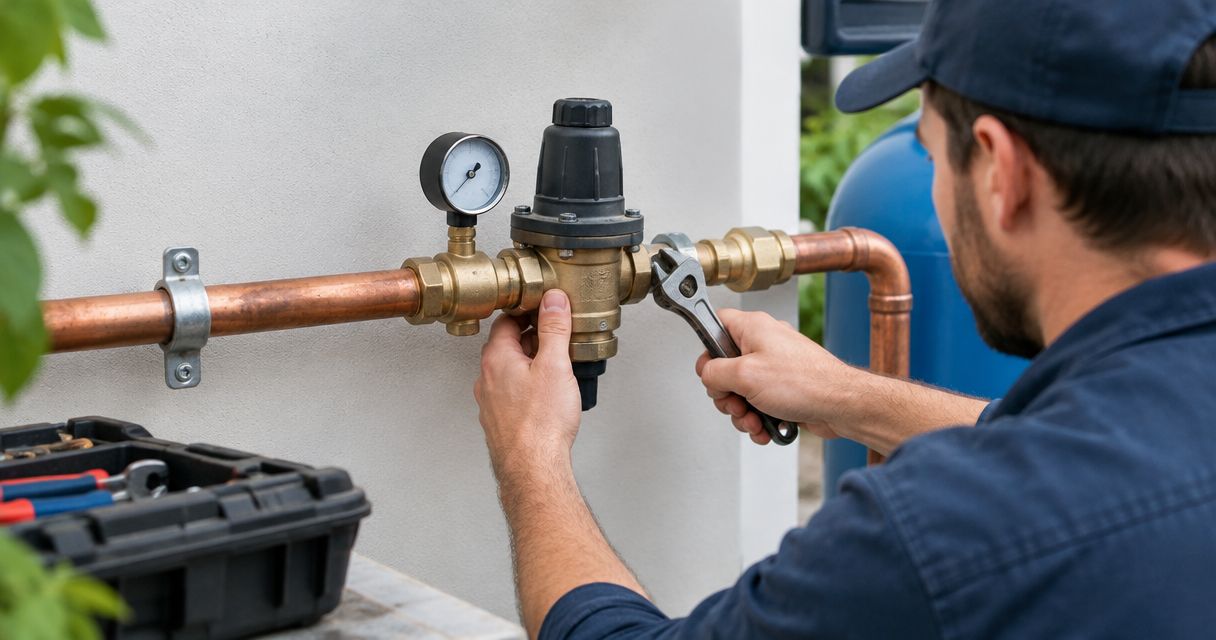
The first configuration unit is physical: the monitor needs to measure the pipe you intend to protect. Leave pipe cutting, valve installation, and electrical work to qualified professionals.
- Map the supply. Locate the manual shutoff, the proposed monitor position, and downstream branches. Ask the installer to identify which pipes the device will—and will not—cover.
- Confirm installation requirements. Check pipe material, connection size, orientation, access clearances, and environmental limits against the manufacturer's instructions. Do not fit equipment based on appearance alone.
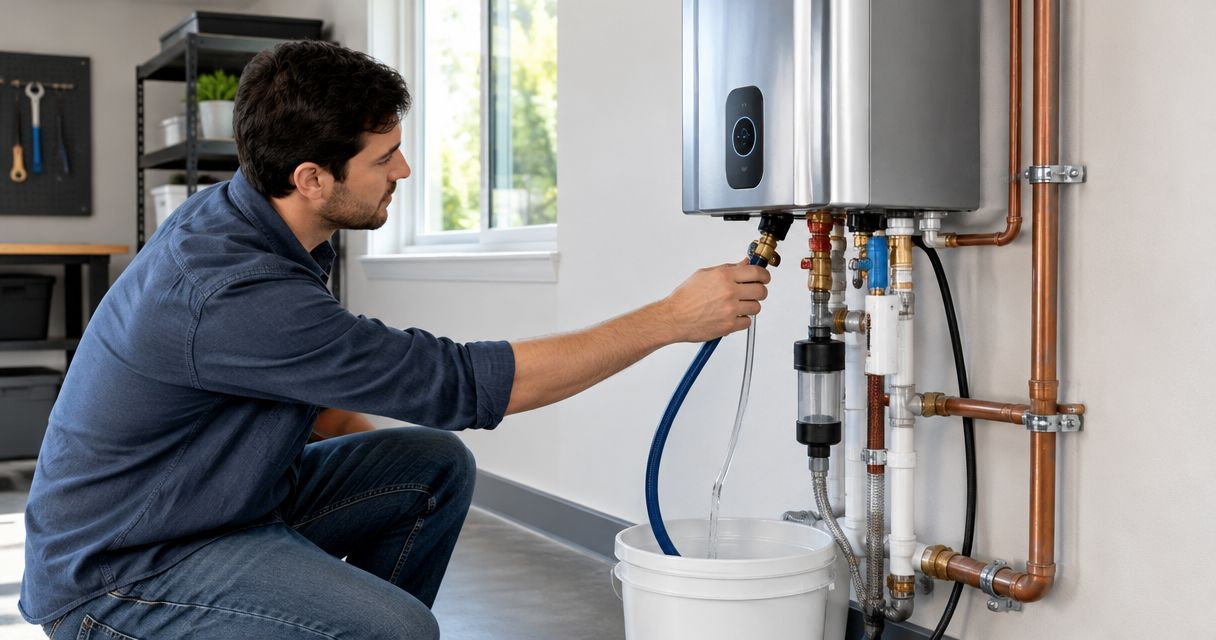
- Review shutoff consequences. Identify anything downstream that needs special consideration when water stops. Have a qualified professional review equipment-specific requirements, including water-heater operation and any shared services.
- Arrange installation and inspection. Have the installer verify connections, restore water, and check for leaks. Keep the manual shutoff accessible rather than hiding it behind stored items.
- Document the boundary. Photograph the finished installation and record which branches remain outside the monitored section. Keep that record with the device instructions.
Expected result: you know where measurement begins, which pipes are covered, and how to stop water manually. The installation itself is dry and accessible.
A monitor downstream of an irrigation branch does not measure that branch. That boundary matters when a water bill rises but the monitor reports no matching increase.
Device connection and alert routing
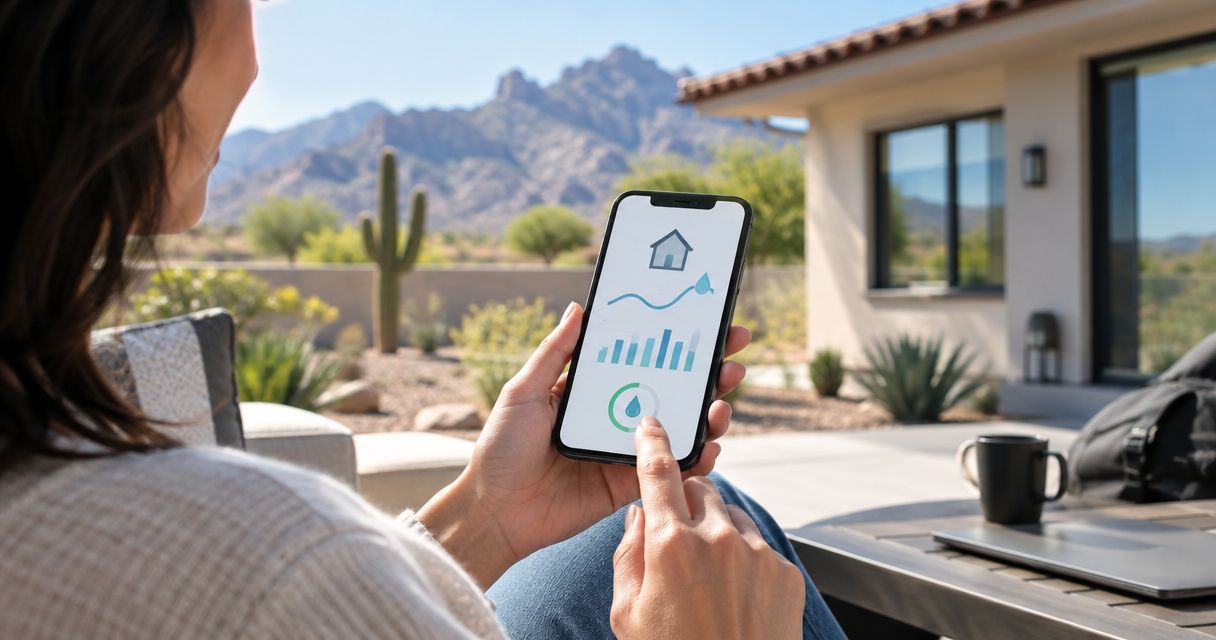
Use the manufacturer's current instructions for pairing. App labels differ by device and software version, so follow the labels on your equipment rather than treating a generic guide as a screen-by-screen manual.
- Create the required account. Use an email address you can access during an emergency. Secure the account and store recovery information somewhere accessible outside the phone itself.
- Connect the device. Follow the specified pairing sequence and network requirements. Confirm the device reports a current connection, not merely a successful connection from an earlier setup attempt.
- Enable the intended alerts. Select leak and device-status notifications that the equipment actually supports. Allow the corresponding notifications in your phone settings, including any permitted critical-alert behavior.
- Add a backup recipient. Where supported, route alerts to a second responsible person. If the system permits only one recipient, establish a separate contact plan instead of assuming someone else receives the same warning.
- Check delivery away from home. Run the manufacturer's notification test with your phone disconnected from the home Wi-Fi network. Verify that the alert arrives through the connection you normally use outside the house.
Expected result: a documented test notification reaches the intended recipient, and the device shows a current connection.
For the phone-pairing portion, follow the guide to connecting a smart shutoff valve to your phone. Complete pairing before relying on remote control.
Leak rules and shutoff verification
Configure detection around your household's actual water use. Automatic rules need to distinguish a qualifying leak condition from legitimate activities such as irrigation or appliance cycles.
- Complete the prescribed setup period. If the device requires learning or calibration, follow that process before treating its monitoring as fully configured. Do not substitute an arbitrary waiting period.
- Review normal demand. Record recurring water uses that affect the monitored pipe, including irrigation and treatment-equipment cycles. Use supported scheduling or exception settings only where the documentation permits them.
- Select the response. Choose notification-only or automatic closure according to the equipment's capabilities and your household's needs. Review any delay, cancellation, or override behavior before enabling automatic action.
- Run an approved test. Use the manufacturer's test procedure; never create a real concealed leak or deliberately loosen a connection. Verify the notification and the physical valve response separately.
- Confirm recovery. Follow the prescribed reopening procedure and check normal downstream operation. If a real leak is suspected, keep the affected supply isolated until it has been assessed.
Expected result: you have completed at least 1 documented test cycle covering detection, notification, valve action, and recovery. A successful phone alert alone does not prove that the valve closed.
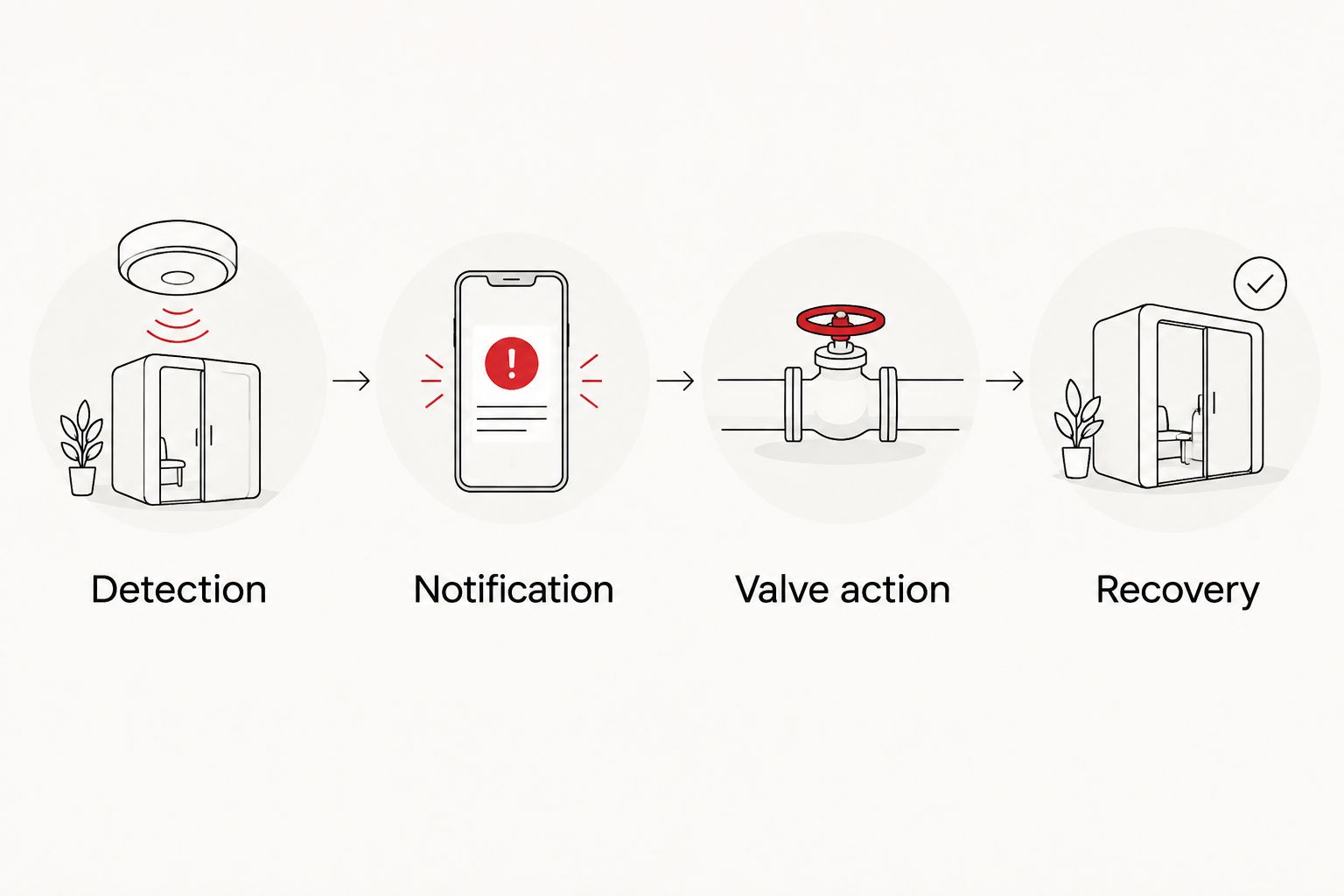
Keep the test record with your 2026 household maintenance notes. Record what happened, not simply that the app appeared connected.
Second workflow: respond while your home is empty
An away workflow changes who responds when nobody can inspect the house immediately. It does not make the device capable of detecting additional leak types.
- Review away settings. If the device offers an away mode, read exactly how it changes detection or shutoff behavior. Check scheduled irrigation and other legitimate water uses before enabling it.
- Assign responsibility. Set a primary responder and a backup. Keep 2 contact methods for the response plan, such as an app notification and a separate phone contact; these need not both be automated.
- Prepare physical access. Make sure the authorized responder knows the manual shutoff location and how to enter the property safely. Do not put access codes in broadly shared screenshots.
- Set a reopening rule. Require inspection or professional advice before reopening after a suspected leak. Restoring water remotely without understanding the alert can restart the release.
Expected result: an alert has an owner, a backup, and a clear response—not just a place in your notification history.
For a 2026 travel checklist, confirm the device is connected before departure and review any unresolved warnings. Do not discover an offline monitor after leaving Tucson.
Troubleshooting
Alerts arrive during normal water use
Compare the event time with irrigation, appliance cycles, and other known demand. Adjust only supported settings after identifying the cause. Do not disable leak detection to silence an unexplained recurring alert.
The phone receives no notification
Check device connectivity, account access, notification permissions, and the phone's focus or silent-mode behavior. Repeat the approved notification test outside home Wi-Fi. A device shown in an account is not proof that alert delivery works.
The alert arrives, but water keeps flowing
Confirm that a compatible automatic valve is installed and that the selected rule includes closure. Check the reported valve state and verify downstream flow using the manufacturer's procedure. Continued flow can also come from a branch outside the valve's control.
The monitor reports no problem, but warning signs continue
A monitor's detection limits do not rule out a plumbing leak. Unexplained dampness, a warm floor area, or water sounds with fixtures off warrants investigation; none identifies a slab leak by itself. Priorityrooter provides plumbing leak detection in Tucson for suspected problems that monitoring cannot locate.
The system goes offline
Check power, network service, and the manufacturer's documented offline behavior. Do not assume local valve protection stops—or continues—when cloud access disappears. Treat loss of connectivity as a fault requiring attention, and retain a usable manual shutoff plan.
Customize your workflow
Expand protection by covering different failure paths, not by adding notifications nobody reads. Place compatible moisture sensors at accessible leak-prone locations, then verify whether they can actually trigger your chosen valve.
Keep 3 verification checks in your maintenance record: device connection, alert delivery, and valve response. Repeat the manufacturer's prescribed tests after relevant network, account, or equipment changes. A new phone deserves an alert check even when the plumbing has not changed.
Priorityrooter offers leak detection and 24/7 emergency plumbing services in the Tucson metro area. Use professional assessment when you have an active warning sign rather than waiting for an automation rule to confirm it.
Get help with a suspected leak
Priorityrooter provides leak detection and emergency plumbing services in the Tucson metro area.
FAQ
Can an automatic slab leak detection system find the exact leak location?
No. A whole-home flow monitor can flag suspicious supply-water behavior, but it does not identify the exact location beneath concrete. Professional leak detection is needed to investigate the source.
Will a floor sensor detect a leak under my slab?
A floor sensor detects water only when water reaches its sensing contacts. A concealed slab leak can remain outside that sensor's reach, so floor sensors alone are not a complete monitoring approach.
Will automatic shutoff prevent every flood?
No. Automatic shutoff can limit incoming water after a qualifying trigger, but detection limits, installation boundaries, and valve response affect protection. It cannot guarantee that damage will not occur.
Can I install a whole-home monitor myself?
Use a qualified installer when installation requires pipe cutting, valve work, or electrical work. Some devices use different installation methods, so follow the exact manufacturer's requirements rather than a generic procedure.
Does leak protection work if my internet goes down?
Offline protection depends on the selected equipment. Check which detection and valve functions operate locally and which notifications or controls require internet access.
Can a flow monitor detect a sewer leak under the foundation?
A supply-water flow monitor does not directly monitor drain or sewer piping. A suspected sewer leak requires an investigation suited to that plumbing system.
What should I do after an automatic shutoff alert?
Check the alert and keep the suspected leak isolated until it has been assessed. Do not reopen the valve remotely just to restore service when the cause remains unknown.
Should I wait for an alert if my Tucson home's floor is damp?
No. Unexplained dampness needs investigation even if the monitor reports normal operation. Priorityrooter provides professional plumbing leak detection in the Tucson metro area.
One last thing
A working alert is not the same as working protection. For your 2026 final check, ask the responder to explain the monitored boundary, show the manual shutoff, and describe what must happen before water is restored. If that handoff fails, fix the response plan before adding more automation.