Best overall: closed-cell elastomeric foam. Best for simple indoor runs: polyethylene foam sleeves. Best for higher-temperature piping: fiberglass. Best for specialized mechanical spaces: mineral wool. This 2026 guide compares pipe insulation materials for Tucson homes by moisture control, installation, exposure, and maintenance—not just thickness.
- For best pipe insulation materials Tucson searches, closed-cell elastomeric foam is the default for condensation-prone household pipes.
- Polyethylene sleeves suit accessible indoor runs; fiberglass and mineral wool need more attention to jackets and moisture protection.
- Outdoor pipe insulation needs weather protection, and insulation alone does not guarantee freeze protection.
- Priority Rooter & Plumbing handles plumbing repairs and leak detection before damaged pipes are covered.
Why this matters
Tucson pipe insulation has different jobs: slowing heat loss from hot-water lines, limiting condensation on cold lines, and delaying freezing during cold weather. The right material depends on which job you need done. A sleeve that fits an indoor hot-water line is not automatically suitable for a sun-exposed outdoor pipe.
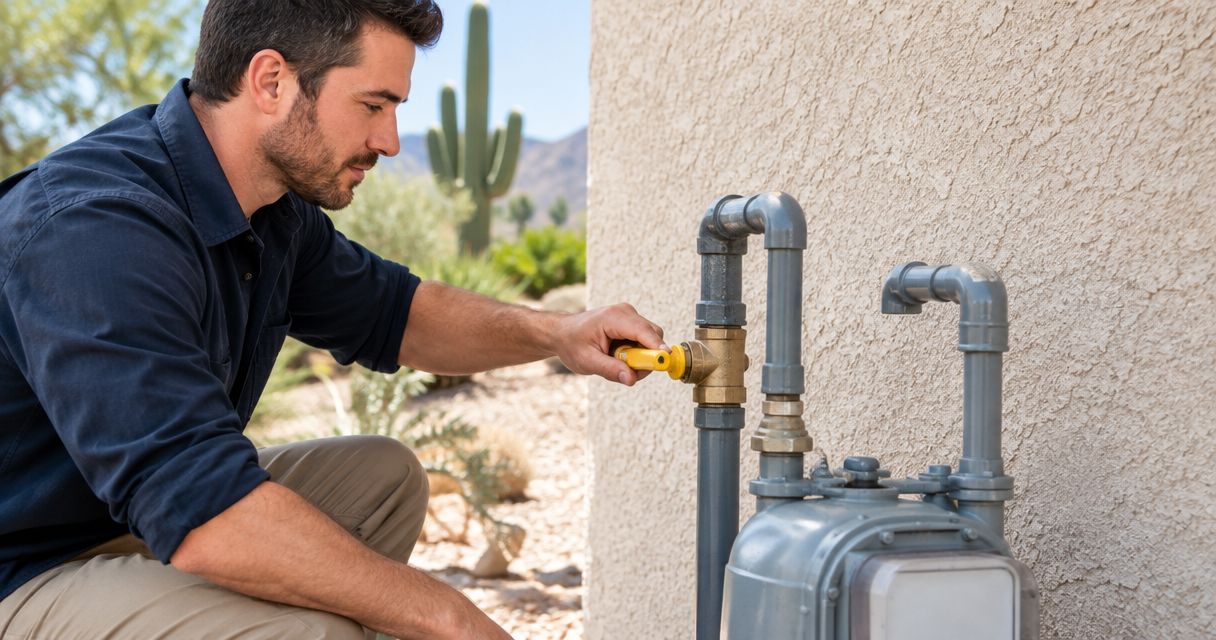
Repair leaks before covering pipes. Priority Rooter & Plumbing provides leak detection and residential plumbing repair in the Tucson metro area. Insulation belongs on sound piping, not over an unresolved leak.
Water freezes at 32°F, or 0°C. Insulation slows heat transfer; it does not generate heat, so an exposed pipe can still freeze during prolonged cold.
What makes the best pipe insulation materials for Tucson?
Use these criteria for your 2026 selection before comparing materials:
- Moisture control: Cold pipes need continuous insulation and sealed joints to keep humid air from reaching cold surfaces.
- Temperature compatibility: Match the exact product to the pipe's operating temperature. Material names alone do not establish temperature limits.
- Outdoor protection: Sunlight, rain, and physical damage require a manufacturer-approved jacket, coating, or protective system.
- Fit and continuity: Choose the correct inside diameter and cover elbows, fittings, and transitions without compressing the insulation.
- Service access: Keep shutoff handles, relief-valve outlets, drain points, and equipment service areas accessible.
- Installation burden: Compare the complete assembly, including adhesives, jackets, fitting covers, and future repairs—not just the sleeve.
Nominal pipe size is not always its measured outside diameter. For example, 1/2-inch and 3/4-inch plumbing sizes identify nominal sizes; confirm the pipe material and the insulation manufacturer's sizing chart before buying.
Pipe insulation materials at a glance
| Material | Best for | Standout feature | Key limitation |
|---|---|---|---|
| Closed-cell elastomeric foam | Condensation-prone household piping | Flexible, closed-cell structure | Seams and outdoor protection need careful installation |
| Polyethylene foam sleeves | Accessible, straight indoor runs | Simple split-sleeve installation | Fittings and exposed locations need additional detailing |
| Fiberglass pipe insulation | Higher-temperature piping | Preformed sections with temperature-rated options | Fibers need protection from moisture and handling damage |
| Mineral wool pipe insulation | Specialized mechanical spaces | Options for demanding thermal and fire-design applications | Jacketed assemblies and detailed fitting work complicate installation |
These are material categories, not interchangeable products. Check the selected product's temperature range, required thickness, exposure limits, and installation instructions before committing.
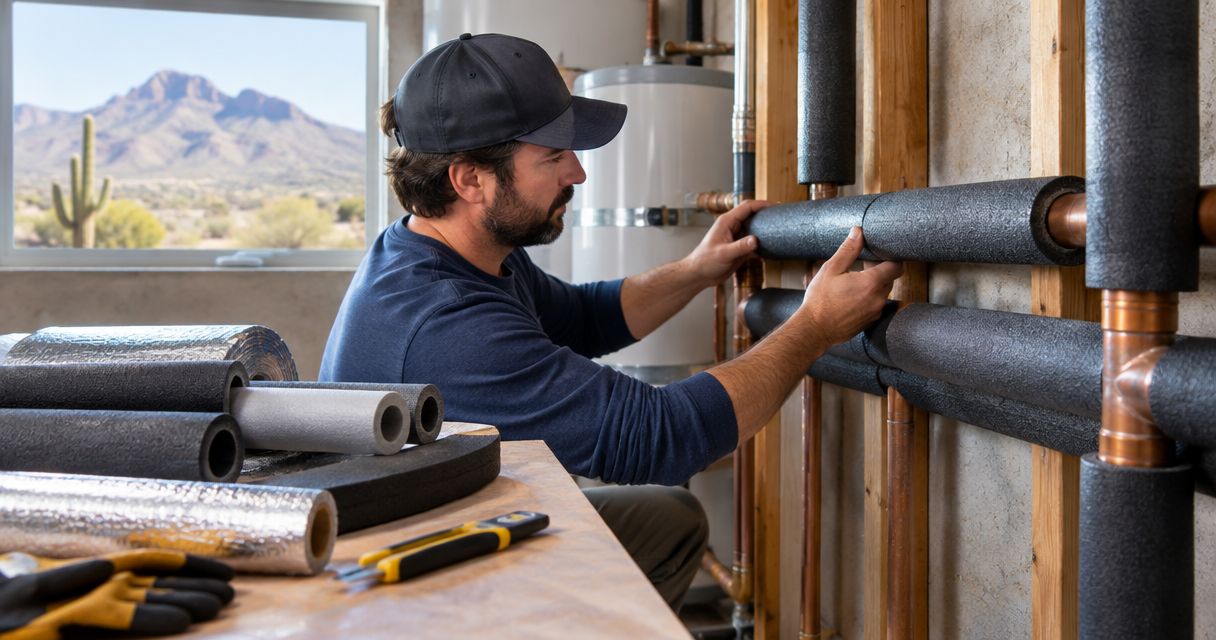
1. Closed-cell elastomeric foam: best for condensation control
Closed-cell elastomeric foam is flexible insulation commonly supplied as tubes or sheets. It suits cold-water piping where condensation control matters, and suitable products also insulate domestic hot-water lines.
Its flexibility helps around bends and confined spaces. That does not eliminate joint work: open seams let humid air reach the pipe and undermine condensation control.
Closed-cell elastomeric foam pros:
- Flexible sections conform to common residential piping layouts.
- Closed-cell construction resists water-vapor transmission when the system is properly installed.
- Tube and sheet formats allow insulation around straight runs and fittings.
- Suitable products cover both hot-water and cold-water applications.
Closed-cell elastomeric foam cons:
- Cut seams, butt joints, and fitting transitions require compatible sealing methods.
- Outdoor applications need the protection specified by the manufacturer; bare foam is not a complete exterior assembly.
Best for: Cold-water lines in locations where condensation is the main concern, especially when the route includes bends and fittings.
For a 2026 household retrofit, make this the default candidate when you need flexible insulation and a continuous vapor-resistant system. Confirm that the chosen product permits the intended pipe temperature and installation location.
Verdict: Buy closed-cell elastomeric foam for condensation control, with the specified seam treatment and exposure protection.
2. Polyethylene foam sleeves: best for simple indoor runs
Polyethylene foam pipe sleeves provide a straightforward way to insulate accessible household pipes. Split sections fit around existing piping, making this material a practical candidate for exposed indoor runs with few obstructions.
The installation gets more involved at tees, valves, and tight elbows. A tidy straight section does not compensate for bare fittings elsewhere on the same line.
Polyethylene foam sleeve pros:
- Split sleeves fit around existing pipes without disconnecting the plumbing.
- Lightweight sections are easy to position on accessible straight runs.
- Suitable products reduce heat transfer on domestic hot-water piping.
- Individual sections remain accessible for inspection and replacement.
Polyethylene foam sleeve cons:
- Fittings need compatible covers or carefully formed sections to avoid gaps.
- Temperature limits, fire requirements, and outdoor suitability vary by product.
Best for: Straight, accessible indoor water lines where installation simplicity matters more than flexibility around complex fittings.
Do not treat a self-sealing strip as proof that every joint is finished. Follow the product instructions for longitudinal seams, section ends, bends, and supports. Check the adhesive's installation conditions before applying it to dusty or damp surfaces.
Verdict: Buy polyethylene sleeves for uncomplicated indoor runs; skip unapproved exterior use.
3. Fiberglass pipe insulation: best for higher-temperature lines
Fiberglass pipe insulation uses fibrous insulation, often formed into rigid sections with an outer facing. Appropriate products serve hot piping where ordinary household foam sleeves do not meet the required temperature rating.
For domestic water lines, fiberglass is a candidate rather than an automatic upgrade. The jacket, joint treatment, and moisture exposure determine whether the complete installation suits the location.
Fiberglass pipe insulation pros:
- Temperature-rated products suit hotter piping applications.
- Preformed sections provide consistent coverage on straight runs.
- Jacketed products create an outer surface for sealing and protection.
- Different thicknesses allow the assembly to match the required thermal performance.
Fiberglass pipe insulation cons:
- Wet insulation requires investigation and correction of the moisture source.
- Cutting and handling require the protective measures specified by the manufacturer.
- Elbows, valves, and irregular fittings need additional finishing work.
Best for: Higher-temperature piping where the selected fiberglass product's rating fits the actual operating conditions.
Do not select fiberglass simply because a pipe carries hot tap water. The U.S. Department of Energy identifies 120°F as an appropriate water-heater setting for most households; equipment instructions and household needs still govern. That setting alone does not establish the required insulation material.
Verdict: Buy fiberglass when the temperature requirement justifies it; otherwise, favor a simpler suitable assembly.
4. Mineral wool pipe insulation: best for specialized spaces
Mineral wool pipe insulation is a fibrous material available in products intended for mechanical piping. It belongs on the shortlist when temperature requirements or a specified fire-design assembly call for it.
It is not the default answer for a short exposed water line under a Tucson sink. Choose it to meet an identified requirement, not because the material sounds tougher.
Mineral wool pipe insulation pros:
- Appropriate products suit demanding temperature applications.
- Preformed sections provide controlled thickness along straight piping.
- Products are available for projects with specific noncombustibility requirements.
Mineral wool pipe insulation cons:
- Exterior and moisture-exposed applications require a suitable protective assembly.
- Fitting details and jacketing add work compared with simple household sleeves.
- Material selection alone does not create an approved firestop system.
Best for: Mechanical spaces where a designer, equipment requirement, or applicable specification identifies mineral wool as the right material.
Keep pipe insulation separate from penetration protection. A pipe passing through a fire-rated wall needs the specified firestop assembly; stuffing insulation around the opening is not a substitute.
Verdict: Hold mineral wool for a defined mechanical or fire-design requirement; skip it as the default household retrofit.
How to choose and install the right assembly
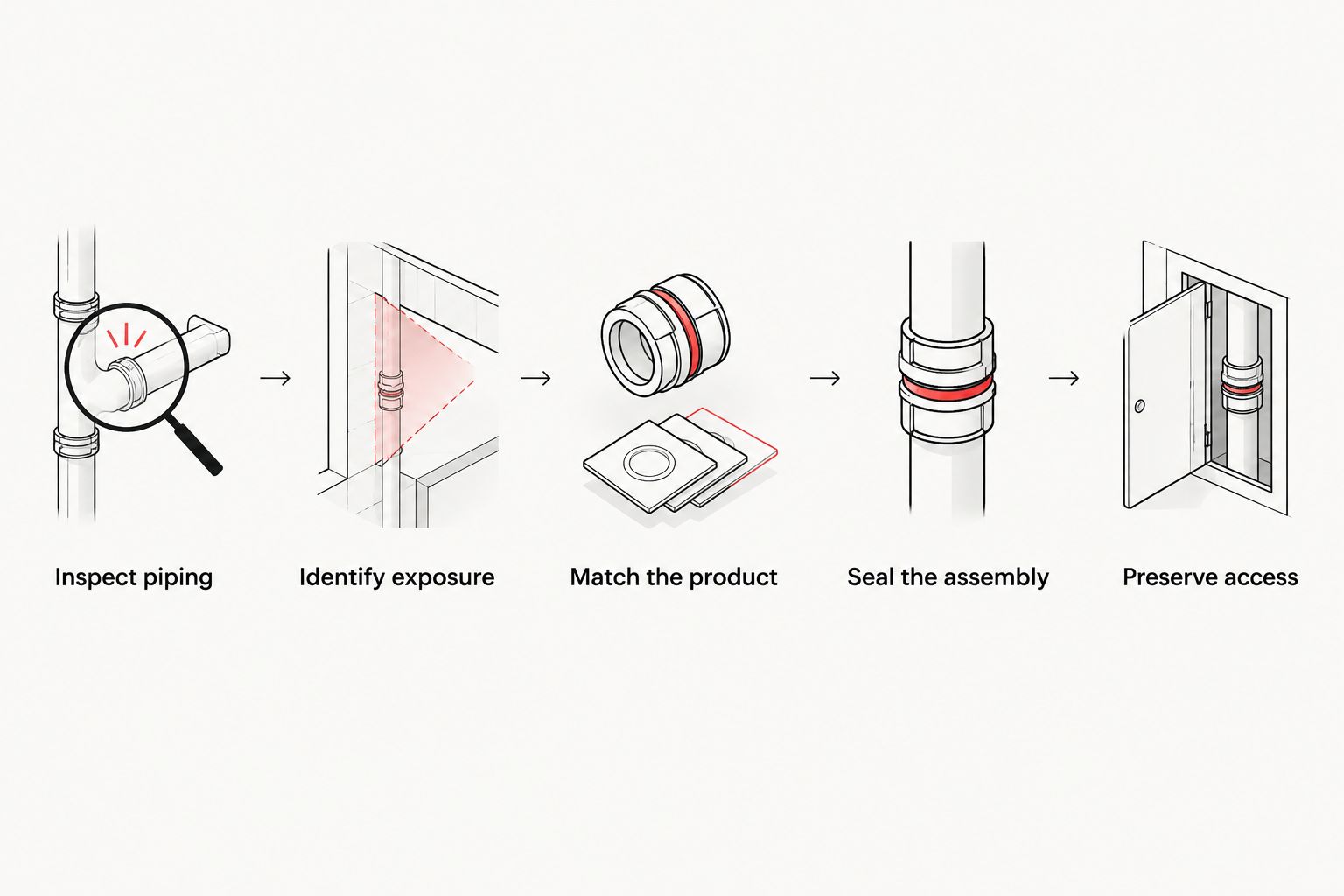
For a 2026 project, use this sequence before covering any pipe. Priority Rooter & Plumbing can address leaks and plumbing defects first; the insulation choice follows the condition and location of the line.
Inspect piping
Look for active dripping, corrosion, damp surfaces, and damaged supports. Identify whether moisture comes from a leak or condensation. Covering either problem without diagnosing it makes later inspection harder.
Identify exposure
Separate indoor, shaded exterior, and sun-exposed locations. Record whether the pipe carries hot or cold water and whether the area is subject to freezing conditions. Do not assume a garage or utility enclosure stays warm enough to protect every pipe.
Match the product
Check pipe dimensions, service temperature, required thickness, and the manufacturer's location restrictions. Match adhesives, tapes, jackets, and fitting covers to the insulation system. Household duct tape is not a universal substitute for specified joint materials.
Seal the assembly
Close longitudinal seams and butt joints using the approved method. Cover fittings without leaving bare gaps or crushing adjacent insulation. For cold pipes, continuity of the vapor-resistant layer matters as much as the appearance of the sleeve.
Preserve access
Keep controls, identification labels, equipment ventilation, and required service clearances unobstructed. Do not block discharge openings or insulate equipment components unless the equipment instructions permit it.
An outdoor assembly needs more than a sleeve slipped over the pipe. Finish the weather protection, protect transitions, and keep drains and operating parts functional. Recheck exposed installations after damage or maintenance disturbs the covering.
Outdoor freeze protection is a separate decision
Insulation delays freezing; it does not prevent freezing indefinitely. A pipe without a heat source eventually approaches the surrounding temperature, even when insulated.
For exposed Tucson plumbing, assess the entire vulnerable section, including valves and fittings. Where additional freeze protection is required, use a pipe-compatible, listed system installed according to its instructions. Heat cable is not interchangeable across pipe materials or insulation products.
Outdoor faucets also need the correct installation and drainage conditions. Disconnecting attached hoses is an important part of protecting a frost-resistant faucet; adding insulation does not correct trapped water or improper installation.
How the materials are ranked
This 2026 ranking prioritizes household usefulness: moisture control, fit, exposure protection, service access, and installation burden. Closed-cell elastomeric foam takes the default position because it addresses condensation-prone piping while remaining flexible around residential layouts.
Polyethylene wins the simple indoor-run slot. Fiberglass and mineral wool serve more specific temperature or assembly requirements. These are application-based recommendations, not claims from product testing or measured savings.
Which pipe insulation should you choose?
Choose closed-cell elastomeric foam when you need one starting point for a Tucson home's condensation-prone pipes. Choose polyethylene sleeves for uncomplicated indoor runs, and reserve fiberglass or mineral wool for requirements that justify the additional detailing.
Priority Rooter & Plumbing is the service choice for Tucson homeowners who need leaks diagnosed or plumbing repaired before pipe insulation goes on. Fix the pipe, confirm the exposure, then select the complete assembly.
FAQ
What's the best pipe insulation material for a Tucson home?
Closed-cell elastomeric foam is the default choice for condensation-prone household piping. Polyethylene sleeves suit straightforward indoor runs, while fiberglass and mineral wool serve more specific temperature or assembly requirements.
Will pipe insulation stop outdoor pipes from freezing?
Pipe insulation delays freezing but does not guarantee freeze protection. Water freezes at 32°F, and a pipe without a heat source can eventually approach the surrounding temperature.
Is rubber foam better than polyethylene pipe insulation?
Closed-cell elastomeric foam is the better starting point for flexible, condensation-control installations; polyethylene suits simple indoor runs. The selected product's ratings and joint treatment matter more than the material name alone.
Can I leave foam pipe insulation exposed to Tucson sunlight?
Leave foam exposed only when the manufacturer explicitly permits that application. Otherwise, install the specified UV-resistant coating, jacket, or protective covering and maintain it as directed.
What thickness of pipe insulation should I buy?
Choose thickness from the product's sizing guidance and the application's thermal or condensation-control requirements. Pipe size, water temperature, ambient conditions, and exposure all affect the selection; one thickness does not fit every location.
Should I insulate a pipe that already has condensation?
Diagnose the moisture first, then install a suitable continuous insulation system on sound piping. Condensation control requires sealed joints and fitting coverage, not just a sleeve over the straight section.
Can I put insulation over a leaking pipe?
Repair the leak before installing pipe insulation. Covering an active leak hides the defect and allows moisture to remain around the pipe and surrounding materials.
One last thing
Before finishing your 2026 insulation project, inspect the elbows and section ends—not just the long straight runs. A clean-looking sleeve can hide open joints. Photograph the pipe and shutoff locations before covering them so future repairs start with a useful record.