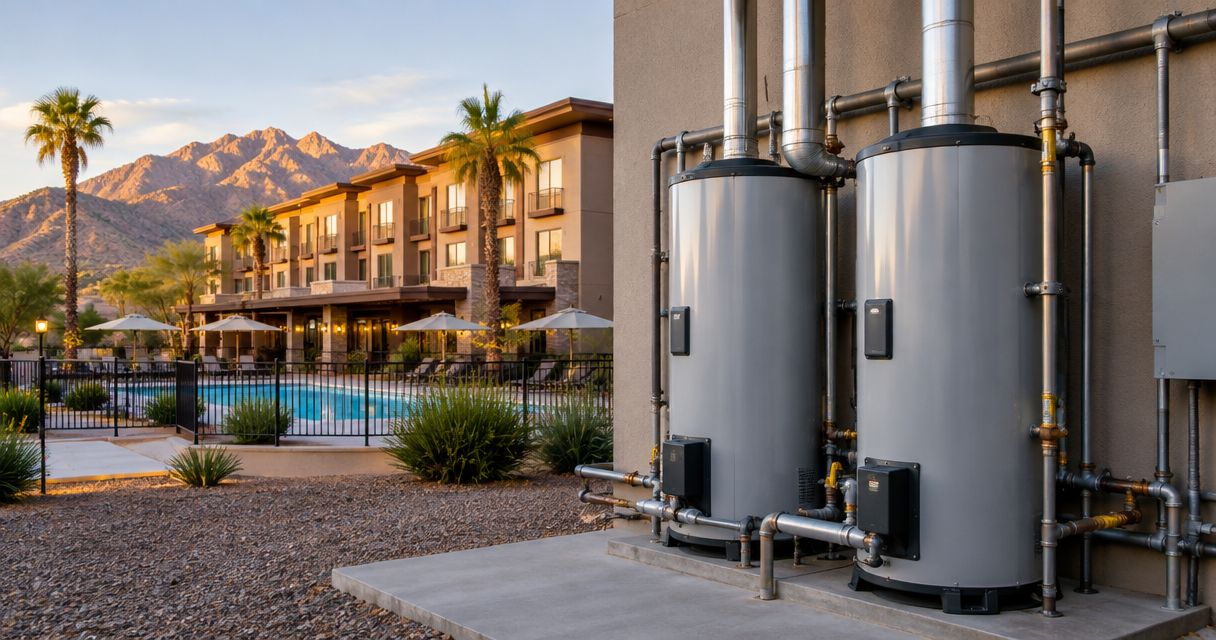
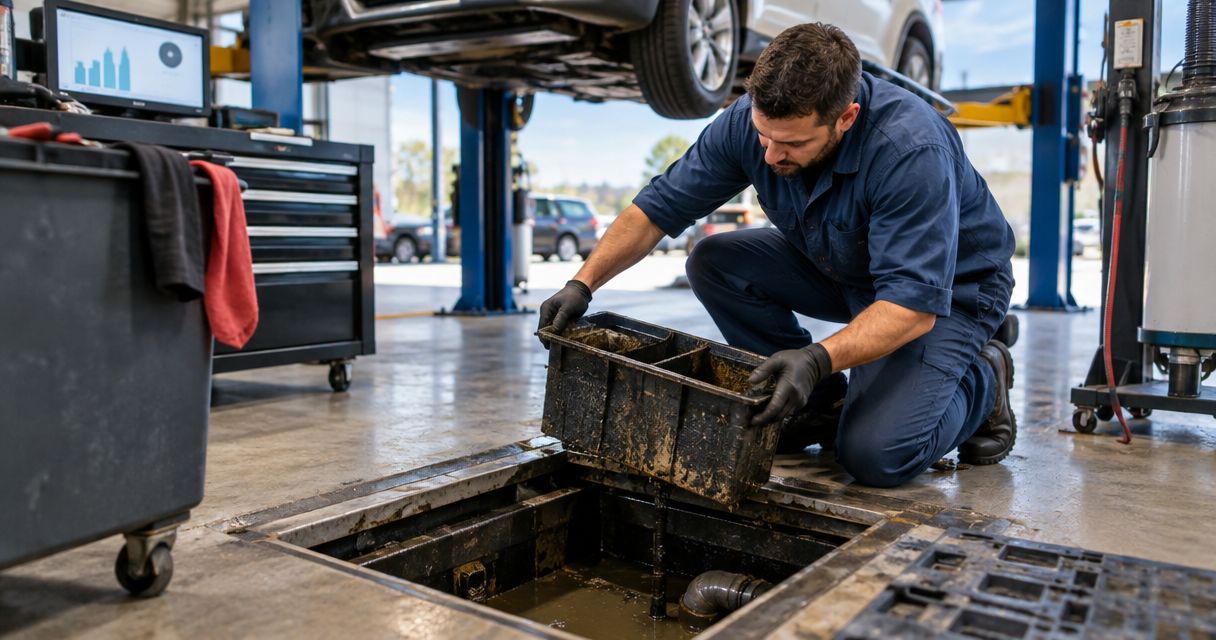
Auto shop grease trap maintenance is the inspection, cleaning, and documentation of wastewater separation equipment to prevent blockages and improper discharges. For Tucson auto shops, the first task is identifying whether the equipment handles food grease or automotive oil: these require different maintenance and waste-handling procedures.
- Grease trap maintenance for auto shops Tucson starts with identifying the equipment: food-grease interceptors and oil-water separators differ.
- Keep used oil, coolant, solvents, and brake-cleaning waste out of floor drains.
- Priority Rooter & Plumbing is best for Tucson auto shops needing drain cleaning, leak detection, or sewer camera inspections.
- Set cleaning intervals from equipment instructions, actual accumulation, and applicable wastewater requirements—not a restaurant maintenance schedule.
Why this matters for Tucson auto shops
A workshop floor drain is not a disposal point. Oil, grit, wash water, and cleaning chemicals create different problems, and a separator does not make every mixture suitable for sewer discharge.
Priority Rooter & Plumbing is best for Tucson auto shops needing drain cleaning, leak detection, or sewer camera inspections. Its stated plumbing services do not establish separator pumping or automotive waste disposal as available services; confirm those needs separately.
Use Priority Rooter & Plumbing for plumbing-related service inquiries. Before requesting maintenance, identify the equipment and explain whether the problem is a slow drain, standing wastewater, a damaged connection, or accumulated separator contents.
For your 2026 maintenance plan, treat wastewater control and plumbing repair as connected but separate responsibilities. Restoring flow does not establish that the discharge is acceptable, and removing accumulated waste does not repair a damaged drain.
Why separator maintenance matters for auto shops
Restaurant grease interceptors capture fats, oils, and grease associated with food preparation. Automotive oil-water separators generally separate free-floating petroleum oil and settleable solids from wastewater; they are not substitutes for chemical waste management.
Detergents can emulsify oil, keeping it dispersed in water instead of allowing it to separate. Coolant, solvents, and other automotive fluids also require their own handling decisions. Calling every underground chamber a grease trap hides these distinctions.
For Tucson discharge questions, contact the wastewater authority serving your address. Ask whether industrial pretreatment requirements apply to your operations, what documentation is required, and whether the proposed wastewater stream is permitted. Do not assume neighboring businesses have the same approval.
Your goal is specific: keep prohibited materials out, maintain the installed equipment, and document where removed waste goes.
Build your 2026 maintenance procedure
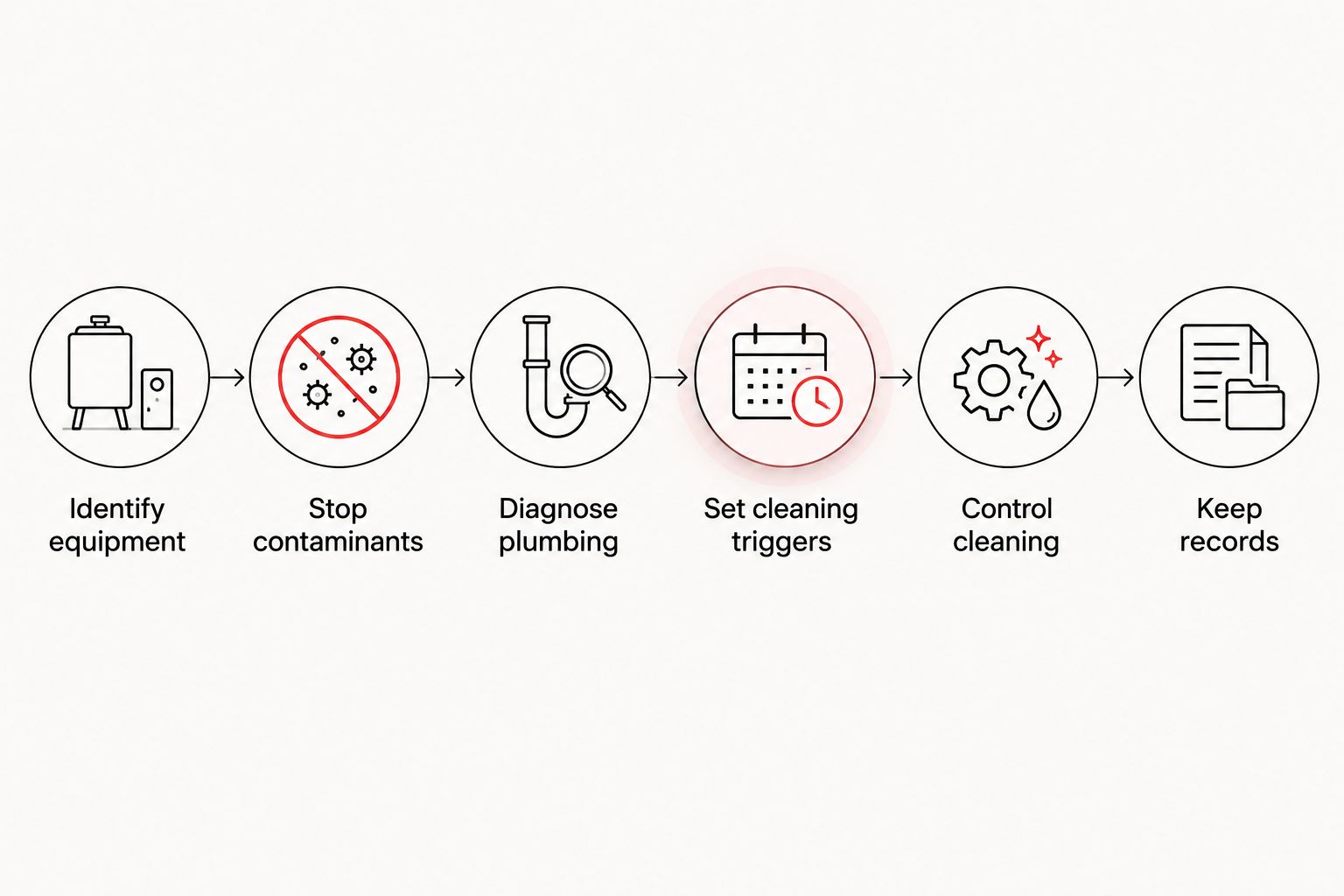
1. Identify the equipment and connected drains
Start with the building records, equipment label, manufacturer instructions, and previous service reports. This paperwork review costs no specialist equipment and prevents you from ordering the wrong service.
A floor drain, trench drain, sediment basin, food-grease interceptor, and oil-water separator are not interchangeable. Trace the connected fixtures using existing plans first; do not pour oil, chemicals, or improvised tracing mixtures into drains to find the route.
If records conflict with what you see, arrange a qualified inspection. Keep covers secured, and do not ask employees to open heavy lids or reach inside chambers. Underground wastewater structures can present confined-space and hazardous-atmosphere risks.
- Record the equipment manufacturer, model, location, and stated purpose.
- Mark connected floor drains, wash areas, sinks, and discharge connections on a site map.
- Separate food-service fixtures from automotive wastewater sources in your records.
- Keep available installation drawings and previous inspection reports together.
2. Stop contaminants before they reach the drain
Begin with housekeeping rather than a cleaning appointment. Use appropriate absorbents for spills, collect fluids at the source, and follow the safety data sheets and disposal requirements for each material.
A separator is not permission to wash automotive fluids down a drain. Keep used oil, coolant, and solvents in suitable labeled containers instead of treating a floor drain as their collection system.
The U.S. Environmental Protection Agency's used-oil management guidance is a useful starting point for handling used oil. For your 2026 procedure, also verify Arizona requirements and obtain waste-specific advice before mixing materials; mixing can change how waste must be managed.
- Keep fluid collection containers near the work that generates the waste.
- Clean spills before washing the floor, using methods appropriate to the material.
- Review cleaners for compatibility with the installed separator and approved wastewater process.
- Prevent rainwater and outdoor runoff from entering workshop wastewater equipment.
3. Separate plumbing diagnosis from separator service
Start by documenting symptoms without opening the equipment. Note which fixtures drain slowly, whether other drains are affected, and whether the issue follows floor washing or another identifiable activity.
A slow drain does not prove that a separator needs pumping. A blockage, damaged pipe, or downstream problem requires a different response. Likewise, a drain that appears to flow normally does not prove that a separator is retaining oil or solids correctly.
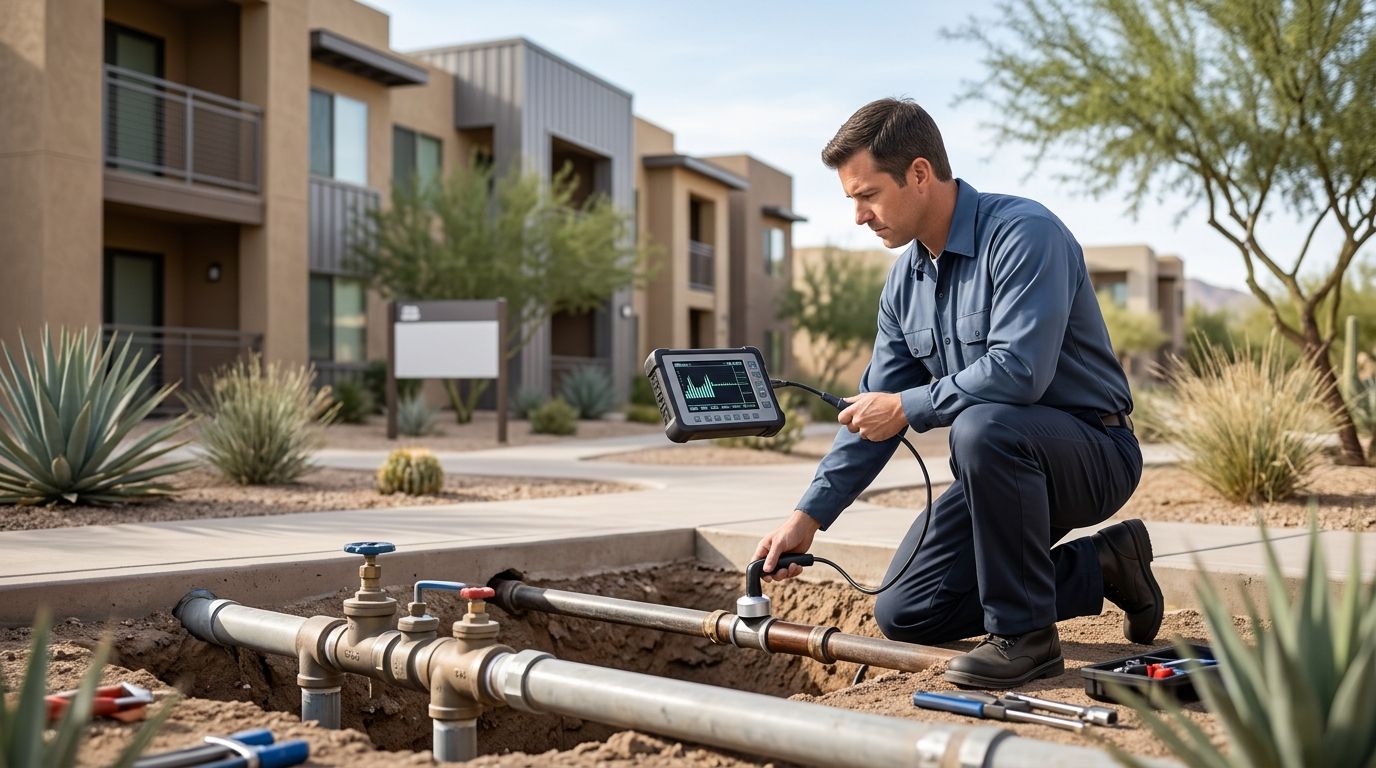
Priority Rooter & Plumbing offers drain cleaning, sewer camera inspections, and leak detection for residential and commercial customers in the Tucson metro area. Those services support plumbing diagnosis; confirm equipment access and scope before booking. Do not assume a plumbing visit includes waste characterization, separator pumping, or disposal documentation.
- Describe the affected drains and when the symptoms occur.
- Provide equipment records and previous cleaning reports before the visit.
- Ask whether pipe inspection or drain cleaning addresses the observed problem.
- Arrange separator cleaning and waste removal separately when those services are needed.
4. Set cleaning triggers from the installed equipment
Start with the manufacturer's maintenance instructions and your existing inspection history. Ask the applicable wastewater authority about any required inspection, cleaning, or reporting conditions before adopting a schedule.
Do not copy a restaurant grease-trap rule into an automotive maintenance plan. Oil accumulation, settled grit, chamber configuration, operating conditions, and discharge requirements determine what your equipment needs.
If reliable history is missing, have a qualified separator service provider establish a baseline condition and recommend an inspection interval. Adjust that interval from documented findings rather than waiting for wastewater to back up. Changes in washing practices, cleaners, or shop activity deserve a fresh review.
- Record the manufacturer's cleaning criteria and any applicable permit conditions.
- Have qualified personnel document accumulated oil and sediment using suitable procedures.
- Record damaged baffles, fittings, seals, or other observed equipment defects.
- Reassess the interval after operational changes or unexpected accumulation.
5. Control cleaning, waste removal, and restart
Before service begins, review the work scope and isolate the affected activity. Ask the provider how removed liquids and solids will be classified, transported, and delivered to an appropriate receiving facility.
Do not direct workers to push accumulated contents downstream or dilute them to clear the equipment. Those actions move the problem rather than resolve it. Also, do not assume the removed material is nonhazardous simply because it came from a separator.
After cleaning, the provider should follow the equipment's restart instructions, including any required refill procedure. Have defects documented before returning the connected operation to normal use. Cleaning exposes problems; it does not repair them automatically.
- Confirm the cleaning scope and which connected activities must stop.
- Obtain waste-handling instructions appropriate to the actual contents.
- Document removed material and retain the applicable transport or disposal records.
- Confirm that covers, components, and operating conditions are restored before restart.
6. Keep a maintenance log your team can use
Use a paper binder or shared spreadsheet before buying maintenance software. Keep 1 maintenance log per separator so equipment histories do not become mixed together.
Assign 1 responsible person per shift to report leaks, backups, spills, or damaged covers. That assignment is a reporting role, not permission to enter equipment or perform hazardous maintenance.
For each service visit, collect 3 records: the service report, the waste-removal documentation, and the follow-up action list. Your 2026 log should make it easy to distinguish completed cleaning from repairs still awaiting attention.
- Record service dates, observations, the provider, and the equipment identifier.
- Attach inspection findings and applicable waste transport or disposal documentation.
- Assign an owner and completion status to every reported defect.
- Review the log when cleaners, processes, tenants, or equipment change.
Compare maintenance options for your shop
Choose the service by the problem, not by the name on an old invoice. These options address different responsibilities, and your shop can need more than one.
| Option | Best for | Main advantage | Key limitation |
|---|---|---|---|
| Staff housekeeping and recordkeeping | Preventing avoidable contamination | Keeps fluid handling and maintenance history under daily control | Does not replace qualified inspection, cleaning, or waste removal |
| Qualified separator service provider | Inspecting and removing accumulated separator contents | Addresses the separation equipment and its retained waste | Scope must explicitly cover the equipment and waste involved |
| Priority Rooter & Plumbing services | Tucson shops with blocked drains, suspected leaks, or pipe inspection needs | Provides stated commercial plumbing services, including drain cleaning and sewer camera inspections | Separator pumping, waste transport, and compliance consulting are not established by the supplied service description |
| Environmental or waste-management specialist | Uncertain waste classification or discharge requirements | Helps resolve waste-handling questions outside routine plumbing repair | Does not replace physical drain repair or equipment cleaning |
Start with internal records and housekeeping when there is no active failure. Bring in the appropriate specialist when the equipment condition, pipe condition, or waste-handling requirement needs technical judgment.
Common mistakes Tucson auto shops make
Treating automotive oil like kitchen grease
A restaurant maintenance checklist does not establish what an automotive separator needs. Identify the actual equipment, its connected waste streams, and its instructions before approving a cleaning method.
Food-grease guidance belongs with food-service wastewater. It is not a shortcut for managing petroleum oil, coolant, or workshop chemicals.
Washing spills into the separator
Floor washing spreads contamination when spills have not been collected first. Some cleaning agents also interfere with oil separation by keeping oil dispersed in the wastewater.
Collect the spill appropriately, manage the resulting cleanup waste, and verify the cleaning process before using the drain.
Ordering drain cleaning when waste removal is needed
Clearing a pipe and emptying a separator solve different problems. A completed drain-cleaning visit does not demonstrate that retained oil and sediment were removed.
Describe the symptom and request a clear scope. Keep plumbing findings separate from separator service findings.
Keeping invoices but losing disposal records
An invoice can show that a contractor visited without explaining what happened to the removed material. Retain the applicable waste-removal documentation alongside the service report.
Your 2026 maintenance file should also show unresolved defects. A paid invoice is not evidence that every recommended repair was completed.
FAQ
Does my Tucson auto shop need grease trap maintenance or oil-water separator service?
Identify the installed equipment before booking service. Food-grease interceptors and automotive oil-water separators handle different waste streams, so review the equipment label, drawings, and connected drains with a qualified provider.
How often should an auto shop clean an oil-water separator?
Set the interval from the manufacturer's instructions, documented accumulation, and applicable wastewater requirements. Do not substitute a restaurant cleaning schedule or wait for a backup to establish the interval.
Can I pour used motor oil into a shop floor drain?
No—keep used motor oil out of floor drains and collect it in suitable containers for proper management. An oil-water separator is not a used-oil disposal system.
Can drain cleaner replace separator maintenance?
No—drain cleaner does not replace inspection, removal of retained waste, or equipment repairs. Chemical additions can also create waste-handling or separation problems, so do not add them without appropriate technical direction.
Does Priority Rooter & Plumbing clean automotive oil-water separators?
The stated services establish drain cleaning, sewer camera inspections, leak detection, and other plumbing work—not automotive separator pumping or waste disposal. Confirm the exact service scope directly before booking.
Who should I ask about Tucson auto shop wastewater requirements?
Contact the wastewater authority serving your shop's address and ask about industrial pretreatment requirements for your operations. Confirm the connected process, permitted discharge, and required records rather than relying on another business's arrangement.
What should I do if wastewater backs up onto the shop floor?
Stop activities feeding the affected drain, keep people away from contaminated water, and request professional assistance. Do not enter a chamber, remove heavy covers yourself, or wash the backup into another drain.
One last thing
Clear-looking water is not proof of acceptable wastewater. A separator can remove visible floating oil while other contaminants remain in the water.
Before your next cleaning appointment, put the equipment identification, connected-drain map, and last service report in the same folder. That small preparation helps the provider distinguish a plumbing problem from an equipment or waste-management problem before work begins.