Tucson office-building drain cleaning is the removal of obstructions and buildup from workplace drainage systems to keep restrooms, break rooms, and shared facilities usable. This 2026 guide explains how to isolate a drainage problem, choose the right service, and coordinate work across tenants without treating every slow sink as a sewer emergency.
- Commercial drain cleaning for office buildings Tucson starts with locating the affected fixtures, not choosing equipment.
- Tucson office managers should stop affected fixture use when wastewater backs up or several drains fail together.
- Drain snaking clears obstructions; hydro jetting addresses buildup when pipe condition and access support it.
- Sewer camera inspections help investigate recurring blockages but do not clean the pipe.
Why drain cleaning matters for Tucson office buildings
An office drain problem is also an access problem. A blocked shared restroom affects more than the person who reported it, while work in a tenant suite requires coordination with occupants and building management.
Your priority is to identify which facilities remain usable and which drains connect to the affected area. Keep that information with your broader commercial plumbing plan for Tucson property managers, rather than leaving it in separate tenant email threads.
A useful 2026 maintenance plan separates urgent backups from recurring slow drainage. It also separates cleaning from diagnosis: restoring flow does not establish why the obstruction formed or whether the pipe needs repair.
Choose the next action from the symptoms and pipe findings—not from the name of a cleaning method.
How to manage office-building drain cleaning
Identify the affected fixtures before requesting service
Start with a walk-through and a simple written log. Ask the person who reported the issue what happened immediately before the drain slowed, overflowed, or made unusual sounds. Record observations rather than assigning a cause.
A single slow break-room sink calls for a different investigation than toilets and floor drains backing up together. Fixture locations help the plumber distinguish a local restriction from a problem farther along a shared drain.
Use your floor plan if one exists. Otherwise, label locations by suite, floor, and room so the service request does not depend on someone remembering which restroom was involved.
- Record each affected fixture and its exact location.
- Note whether the problem is slow drainage, standing water, overflow, or odor.
- Ask whether nearby fixtures show the same symptoms.
- Collect previous service reports for the affected area.
- Photograph visible conditions without touching wastewater.
Contain the problem without exposing staff
Your first response is operational, not mechanical. Close the affected restroom or sink area, prevent further use, and keep people away from wastewater. Do not ask office staff to open a backed-up cleanout or dismantle shared drainage connections.
Use three practical categories: Isolated fixture, Shared branch, and Multiple areas. These describe the reported scope; they do not prove where the obstruction sits. Multiple affected areas warrant prompt professional assessment, particularly when wastewater rises through lower fixtures.
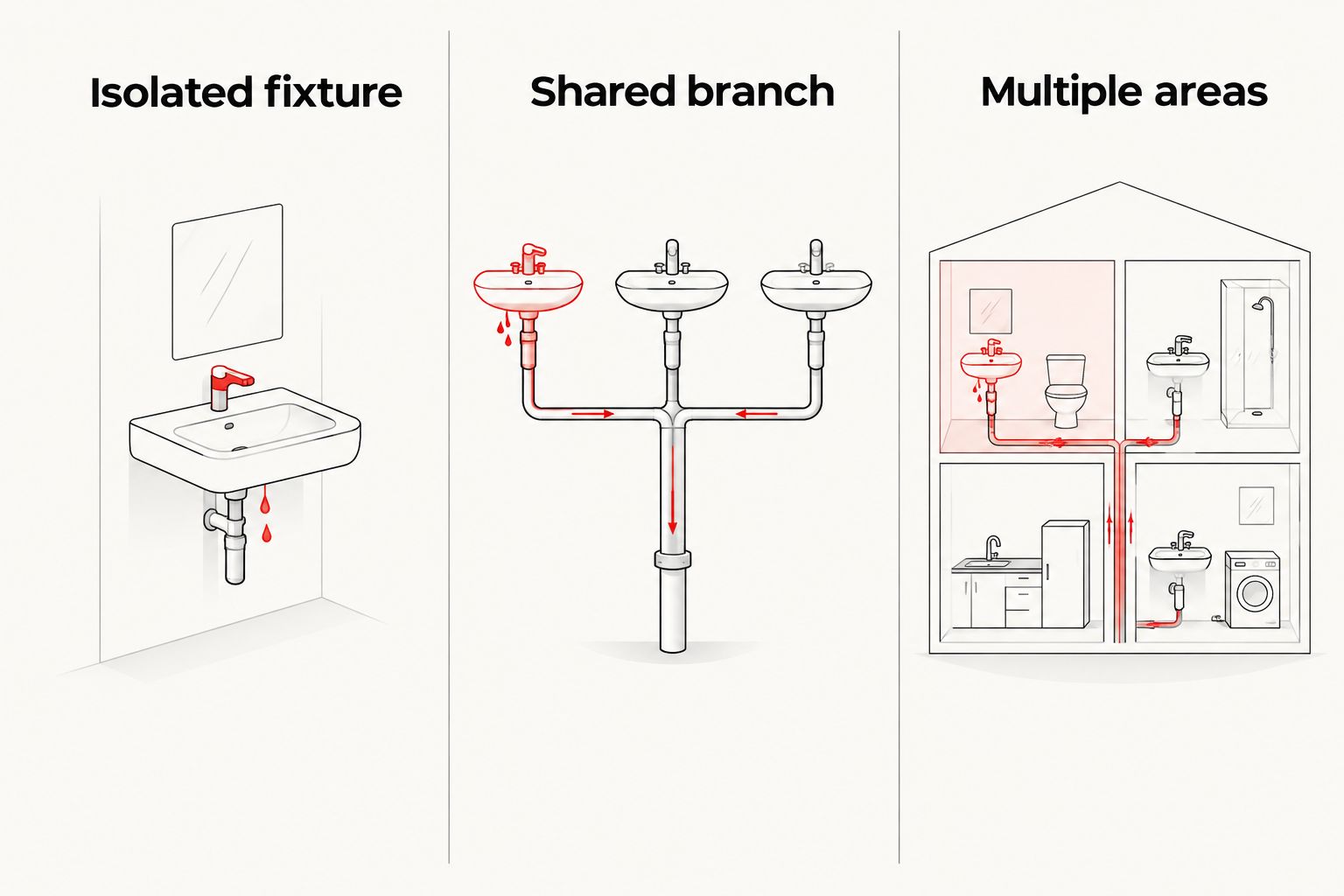
Do not keep flushing toilets to test whether a backup has disappeared. Adding water to a restricted drain can worsen an overflow. If water reaches electrical equipment or outlets, keep people out and arrange appropriate professional assistance.
- Mark affected fixtures out of service.
- Notify occupants whose drains could feed the affected line.
- Keep staff and visitors away from contaminated areas.
- Tell the plumber about any drain chemicals already used.
- Arrange wastewater cleanup separately when contamination is present.
Give the plumber a clear scope and access plan
You can prepare the service brief yourself using the fixture log, building contacts, and previous reports. This reduces repeated explanations and helps establish what the visit needs to accomplish.
Priorityrooter is a fit for Tucson office managers who need commercial drain cleaning and sewer camera inspections. The company serves commercial customers in the Tucson metro area and offers 24/7 emergency plumbing services; that does not establish a particular arrival time or completion window.
Use Priorityrooter for the service inquiry, and explain the affected locations before discussing a cleaning method. Ask what access the technician needs and who must approve additional investigation or repairs.
For your 2026 vendor file, keep the agreed scope separate from assumptions. A drain-cleaning visit is not automatically a pipe repair, a camera inspection, or wastewater remediation.
- Assign one building contact to coordinate access and approvals.
- Identify locked suites, mechanical rooms, and known cleanouts.
- Describe affected fixtures and previous recurrence.
- Ask what documentation the service will include.
- Confirm how additional work will be authorized.
Match the cleaning method to the findings
Begin with the available evidence: affected fixtures, service history, access, and the plumber's assessment. Do not prescribe hydro jetting simply because a blockage has returned, or request repeated snaking without asking what keeps obstructing the line.
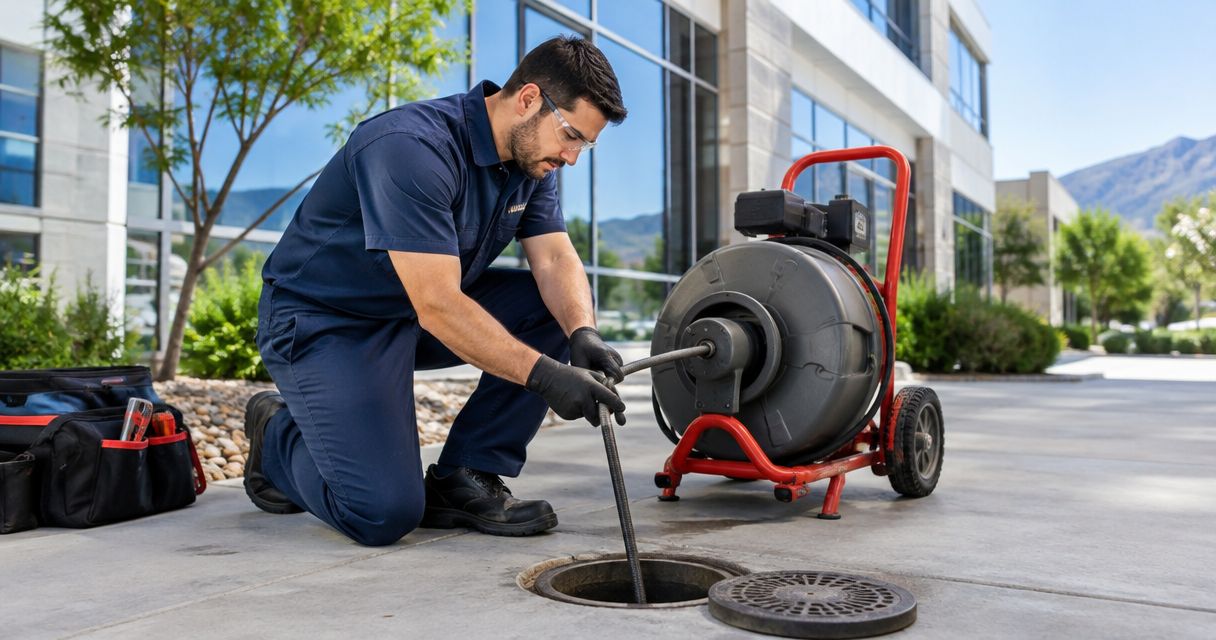
Drain snaking uses a cable and an appropriate attachment to address an obstruction. Hydro jetting uses pressurized water to clean pipe interiors. Both require suitable access and professional judgment; neither corrects a broken pipe, an offset connection, or an underlying drainage defect.
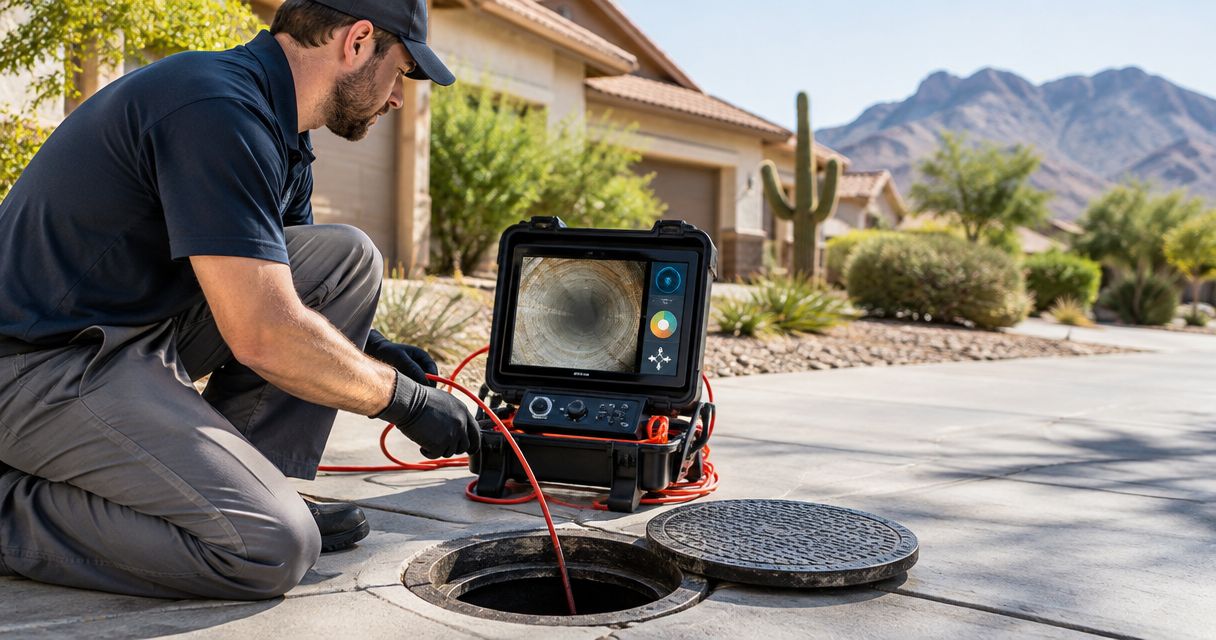
A sewer camera inspection provides visual information about accessible pipe interiors. It is a diagnostic service, not a cleaning method, and standing water or debris can obstruct the view. The plumber should explain whether inspection is useful before cleaning, afterward, or both.
- Ask what type of obstruction the findings support.
- Confirm whether pipe condition supports the proposed method.
- Distinguish opening a passage from removing broader buildup.
- Request inspection findings when a camera is used.
- Ask what remains unresolved after flow returns.
Schedule work around building use
Map the affected drainage area to actual occupants before setting the work window. A restroom closure in one suite does not automatically require closing every restroom, but tenants should not be told to use fixtures connected to a line that must remain out of service.
Ask the plumber which fixtures need to stay unused, what access must remain clear, and what conditions would extend the work. Then give tenants a clear notice with the affected rooms and an update contact. Do not promise a reopening time that has not been confirmed.
For 2026 service notices, include the date, affected location, and person responsible for updates. Keep technical diagnosis out of the notice unless the plumber has established it.
- Identify usable alternative restrooms before work begins.
- Coordinate access with tenants, reception, and security.
- Keep the route to the work area clear.
- Tell cleaning staff which fixtures must remain unused.
- Issue a reopening notice after the work area is ready.
Verify drainage and build a recurrence record
Before reopening the affected area, ask the plumber to demonstrate drainage under the conditions appropriate to the work. A fixture emptying once is useful evidence, but it does not resolve every question about a recurring shared-line blockage.
Request a written record of the location, method, findings, and recommended follow-up. Where camera footage exists, ask for the location references that make the footage useful later. A video without a clear pipe location is harder to connect to a future repair decision.
Start a 30-day observation log after a recurring problem is serviced, and retain a 12-month service history for comparison. These are practical recordkeeping choices, not claims about how often your building needs cleaning.
- Record which fixtures were checked before reopening.
- Save the service report and available inspection material.
- Log returning symptoms by location and date.
- Track occupant reports through one building contact.
- Set further maintenance from documented findings and recurrence.
Compare office-building drain service options
The best option depends on the task: clear an obstruction, clean buildup, investigate recurrence, or repair a defect. These services are not interchangeable. Ask the contractor to connect the recommendation to observed conditions rather than presenting a method as the default for every office.
| Option | Best for | Main advantage | Key limitation |
|---|---|---|---|
| Drain snaking | Accessible localized obstructions | Mechanically addresses a blockage | Restored flow does not confirm that all buildup is removed |
| Hydro jetting | Pipe-wall buildup where condition and access support it | Cleans the pipe interior with pressurized water | Does not repair damage; suitability requires assessment |
| Sewer camera inspection | Recurring or unexplained drainage problems | Provides visual evidence from accessible pipe interiors | Does not clean the line; debris or standing water can limit visibility |
| Pipe repair | A confirmed physical defect | Addresses the identified damaged section or connection | Requires a defined repair scope beyond drain cleaning |
| Priorityrooter commercial drain cleaning | Tucson offices seeking drain cleaning and sewer camera inspection services | Offers both services to commercial customers | The appropriate method and any repair scope require site assessment |
For a recurring blockage, ask two separate questions: what restored flow, and what evidence explains the recurrence? The answers determine whether your next move is occupant guidance, further cleaning, inspection, or repair.
Arrange commercial drain service
Describe the affected fixtures and ask about drain cleaning or sewer camera inspection for your Tucson office.
Common mistakes Tucson office managers make
Treating each tenant complaint as unrelated
Separate complaints can describe the same shared drainage problem. Compare locations before placing disconnected service requests, and tell the plumber when several suites or common areas report symptoms together. Keep tenant reports together even when different people approve the work.
Assuming Tucson hard water explains every blockage
A local water-quality concern does not diagnose a particular drain. Paper, debris, buildup, and pipe defects call for different responses. Base the service decision on inspection and cleaning findings rather than attributing every recurring restriction to mineral deposits.
Using chemical drain openers before disclosing the problem
Do not add chemical drain openers to a backed-up shared system as an office maintenance shortcut. They do not repair pipe defects and introduce handling hazards. If someone has already used one, give the plumber the product information and location before work starts.
Reopening facilities without a clear handoff
A technician leaving the building is not your only reopening criterion. Confirm that affected fixtures have been checked, the work area is safe, and any contamination has been addressed. Give reception, tenants, and cleaning staff the same reopening message.
Booking repeat cleaning without reviewing the history
Repeatedly restoring flow is not the same as resolving the cause. Review the 2026 service record by drain location, compare findings, and ask what further evidence is needed. Do not turn a recurring defect into an automatic cleaning appointment without examining the repair question.
FAQ
What's the best drain cleaning method for an office building in Tucson?
The best method is the one matched to the obstruction, pipe condition, and available access. Snaking addresses obstructions, while hydro jetting cleans pipe interiors where suitable; neither repairs a damaged pipe.
Should I close the office when a drain backs up?
Close the affected area and prevent use of fixtures feeding the backed-up line. Whether other areas can remain open depends on usable facilities, the extent of contamination, and the plumber's assessment.
Is hydro jetting better than snaking for office drains?
Hydro jetting is not automatically better than snaking. Jetting addresses pipe-wall buildup, while snaking mechanically addresses an obstruction; the pipe findings determine which approach fits.
When should an office building get a sewer camera inspection?
A sewer camera inspection is useful when drainage problems recur, the cause remains unclear, or a pipe defect needs investigation. The plumber should explain whether cleaning is needed to obtain a useful view.
How often should commercial office drains be cleaned?
Set the cleaning interval from the building's service history, usage, and documented pipe findings. A fixed calendar interval without those details does not establish what your office needs.
Can office staff clear a shared sewer blockage themselves?
Office staff should not open backed-up shared drainage lines or attempt sewer cleaning. Staff can isolate affected facilities, record symptoms, and provide access information while qualified professionals assess the problem.
Does Priorityrooter handle commercial drain emergencies in Tucson?
Priorityrooter offers 24/7 emergency plumbing services and serves commercial customers in the Tucson metro area. Describe the affected fixtures and any active wastewater backup when requesting service; confirm scheduling directly.
One last thing
A reopened drain is an operating result, not a diagnosis. Before closing the maintenance ticket, write down what caused the blockage if established, what remains unknown, and what event should trigger another inspection.
Add that handoff to your 2026 building maintenance file. The next manager should not have to reconstruct a recurring sewer problem from an invoice that only says the drain was cleared.